


I get asked this question via email quite often, so I figured it was time to answer it in a blog post!
The short answer is: no.
But leaving it there would make a very boring blog post, wouldn’t it? So, here’s a bit more info about how yarn weights are labeled!
What does ‘weight’ of a yarn mean?
‘Weight’ refers to the thickness of a yarn. Yarn can be very skinny or very bulky, and everywhere in between.
Knowing the thickness of your yarn is crucial when you’re trying to follow a pattern or figure out which hook/needle size to use, because the yarn’s thickness (largely) determines the gauge that you will get in your knitted/crocheted piece.
American and British Yarn weight terms
Worsted weight yarn is the American term for yarn that you might spy in Australia or the UK as ’10 ply’ yarn. It’s the most common yarn weight that you’ll find on American shelves… and if you shop in Big Box stores, you might see it labeled as a “medium weight yarn.”
8 ply is the yarn that you’ll find most easily in Australia (which I know from personal experience), and I’ve heard that it’s pretty standard in the UK as well. It corresponds to what is called ‘dk’ weight in the US.
Want a handy printable chart? This post has lots more info about yarn weight – including the different names and the recommended crochet hook size – for each weight.
Help! How do I follow a US pattern with 8 ply yarn?
If you’re knitting/crocheting a garment, then there’s a slightly long and complicated answer about getting proper gauge and such when you substitute yarns.
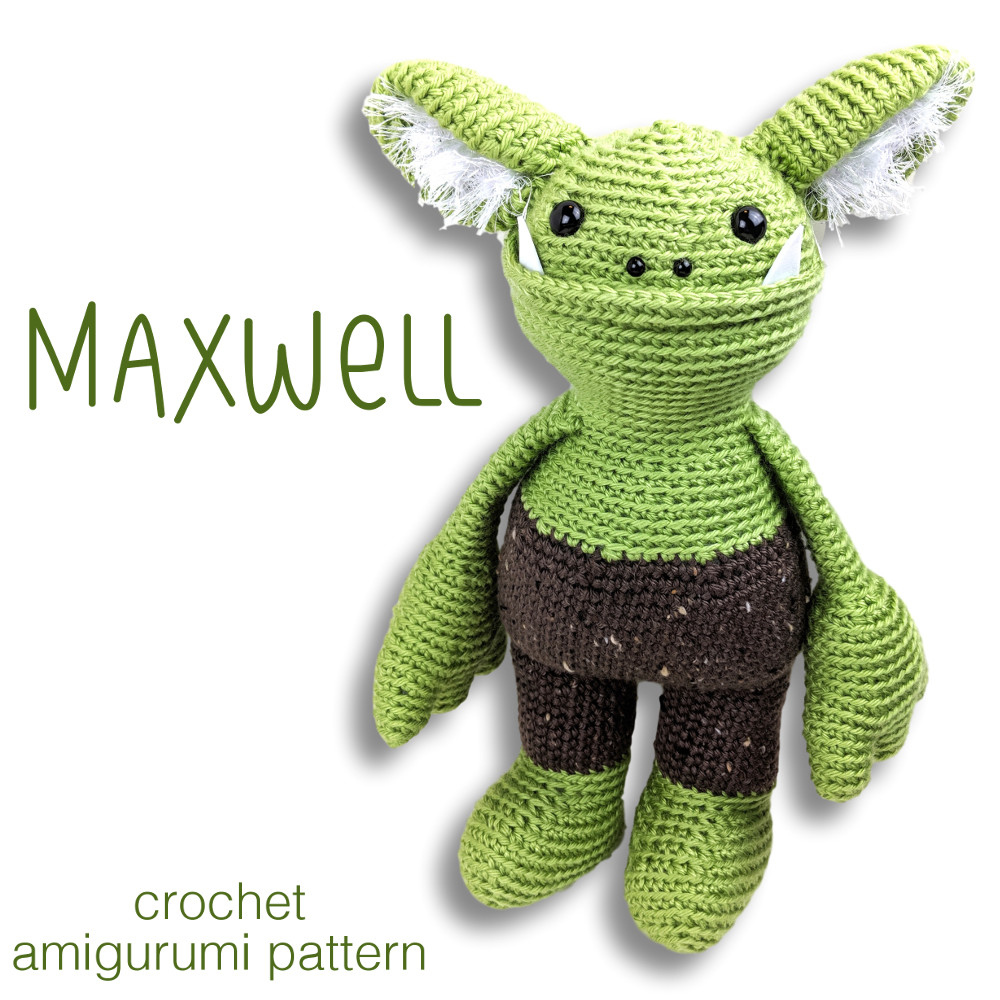
However, the reason I get this question so often is because folks in the UK and Australia want to crochet an amigurumi pattern (which calls for worsted weight yarn), but they can only find 8 ply yarn. . . and then the solution is easy-peasy!
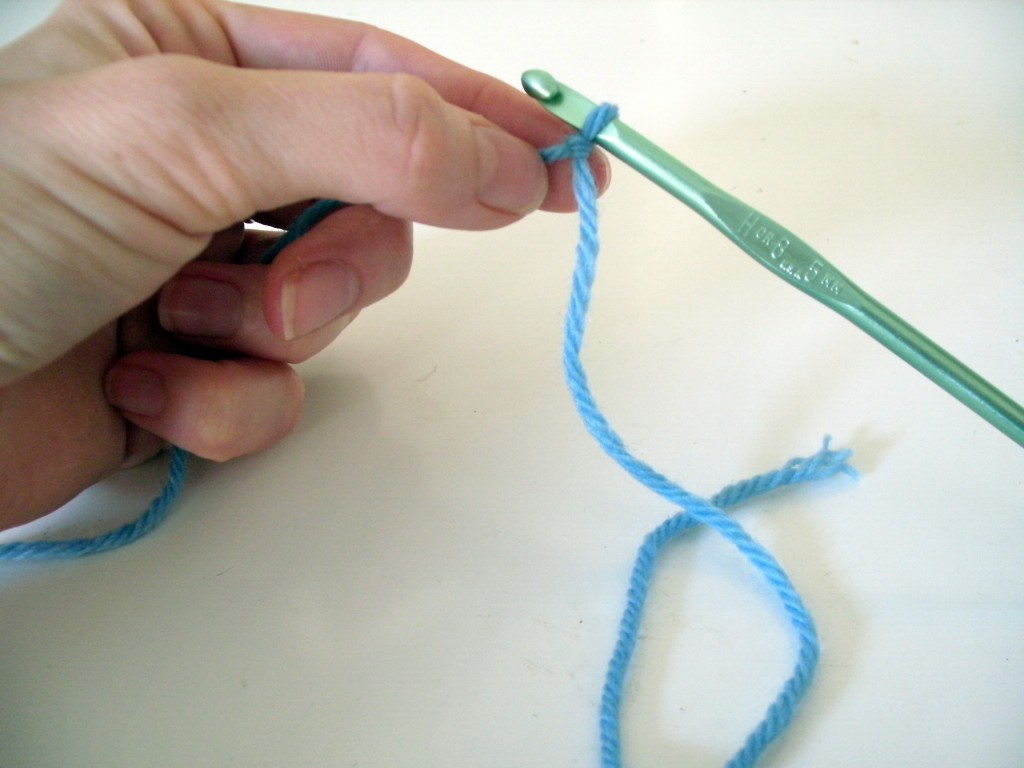
If you’re making amigurumi, what’s most important is that you use the right sized hook for your yarn. So, if you’re using an 8 ply yarn, select a hook size that gives you a nice-looking fabric that stuffing won’t show through.
Your finished piece will be an eensy bit smaller than one crocheted with thicker yarn… but it’s easier than ordering yarn from overseas!
So there you have it… worsted weight and 8 ply yarns aren’t the same… but you shouldn’t let that stop you from making an awesome amigurumi!
I’ve never worried about yarn thickness when it comes to amigurumi as I have always figured that the proportions would come out right, except where the pattern specifies a length instead of number of rows. Of course, making garments from foreign patterns can be troublesome.
Thanks so much for this answer. I am starting to use my round and square loom knitters, which I havent used for years. I am interested mainly in throw/blankets at the moment and could not remember the conversion fir worsted weight. I have written it down now!
I would be interested to know if you have any ideas where I might get new, more modern patterns for the diary and square loom, and andy for other looms.
Many thanks
Cathy
As a senior citizen who learned to knit and crochet in the 50’s and 60’s I find the various weights of yarn has become very confusing since everything has changed. In my time we were accustomed to 4 ply, fingering yarn, bulky, etc. Now there are so many sizes, types, and ply that the art is now convoluted, I am sorry to say. What is 10 ply yarn? What is with diagramming a crocheted piece? There was a time when one simply followed a pattern and somehow it worked! It’s been sort of like trying to decide which cable company to go with, which phone, company, etc. 🙂
Here here Kay! I agree!
I agree with Kay
Amen!!
Oh my heavens I am so there with you. Every time I try to make something I don’t even understand what yarn they are telling me to use and then it doesn’t turn out right.
And don’t forget all those fancy yarns. I am totally confused. Let’s go back to the old FEW thicknesses.
I’m with you very confusing
Thank you so much for this helpful info I am crocheting a pattern requiring a 6.5mm hook and worsted weight yarn I only have a 5mm hook and live in Australia now I know I can use this hook and the 8ply wool the item is for a six Y/O child and would probably have been too large for him anyway
Good on you for giving this info please keep up the good work
Thank you for ‘spelling it out to me’. I order worsted yarn from the US but my cloche felted hat patter from Australia tells me to knit with two strands of wool. I now realise that my US yarn is equivelent to 10 ply and the Australian pattern instructions are using 8 ply. This is why I ended up with such a bulky knit. I wonder if I can just use this same pattern and knit with one strand of 10 ply to get the same results as the hat using two strands of the 8 ply yarn. Perhaps you might be able to answer this for ? I appreciate reading your page.
Does your pattern specify a gauge? That would be the best way to see if you’ve got a comparable weight.
love your patterns and easy to do
Can I substitute the pure wool worsted with a cotton 8 ply on a pattern?